How to buy land in NC without buying a problem — the real sequence, in the order it actually happens, from a broker who walks land with buyers across Ashe, Alleghany, Avery, and Watauga counties.

John Blevins — Broker-in-Charge, Regency Properties
GRI 2023 · SRS 2024 · ABR 2024 · C2EX 2024 · Real Estate Investing 2025 · NC License #322850
Land is where buyers get hurt in the mountains — not because anybody lied to them, but because nobody told them what to check. A beautiful view doesn't perc. A gravel road isn't always legal access. And land financing is a different world from a home loan. Here's the sequence I run with my buyers, start to finish.
Start with the use. A homesite, a cabin getaway, pasture, timber, an investment hold — each one points you at different land. Then the practical filters: how much road frontage, how steep, what utilities are nearby, and how far you honestly want to be from town. In the High Country the same acreage can be worth very different money depending on those answers, which is why "what's an acre worth?" has no honest answer until we know which acre.
I price land off closed sales of comparable parcels — adjusted for road frontage, views, utilities, and buildability — not off the asking prices of land that's been sitting. If a tract has been on the market for a year, the market has already given its opinion. My job is to tell you what that opinion is before you write an offer. (More on how land gets its price on the FAQ page.)
Most mountain land has no public sewer, so a home needs a septic system, and a septic system needs soil that passes a perc evaluation through the county health department. No passing perc, no conventional septic — and that changes what the land is worth, or whether it works for you at all. This is the single most important check on raw land, and it happens inside your due diligence period.
General information only — not professional advice. I'm a real estate broker, not a soil scientist, engineer, surveyor, attorney, home inspector, or contractor. Always check with the appropriate licensed or certified professional before making a decision based on anything I post.
Old fences are not boundaries. A current survey pins the corners, shows encroachments, and confirms the acreage you're paying for is the acreage that exists. On family land that's been split up over generations, this step has saved more than one of my buyers from buying a dispute.
You need two things: physical access you can drive, and legal access that's recorded — a deeded right-of-way or frontage on a public or private road with documented maintenance responsibility. A path the neighbors have "always used" is not the same thing. We verify access in the deed records during due diligence, every time.
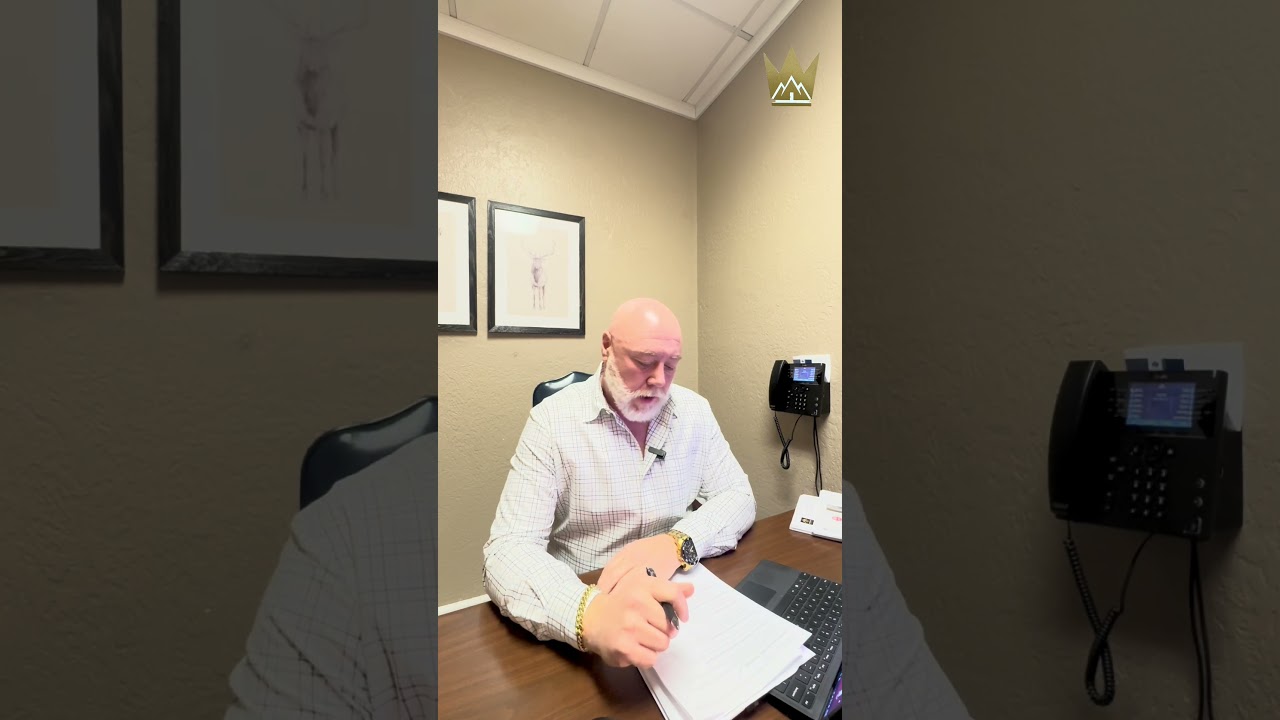
Banks treat raw land as riskier than a home, so land loans usually need a bigger down payment, carry a higher rate, and run on shorter terms than a mortgage. Some land won't finance at all, which is why cash and owner financing are common here. If you're buying with a low or moderate credit score, it isn't automatically a dead end — but the plan has to be built before the offer, not after. I walk through that in this video:
The North Carolina contract gives you a due diligence period: time, in exchange for a due diligence fee paid to the seller, to check perc, survey, access, zoning, restrictions, flood maps, and utilities — and to walk away if the land fails. It's short and it doesn't pause, so all of it gets scheduled the day we go under contract. The fee is not a deposit and it's not refundable if you back out; that's the price of the right to investigate. I explain how it differs from earnest money on the FAQ page.
Real estate closings in North Carolina are handled by a licensed NC attorney, who runs the title search, prepares the deed, and records it. That title search is your protection that the seller actually owns what you're buying and can sell it free of liens. When it records, the land is yours.
Pricing, access, and perc status drive land value more than anything else, and most land is listed with at least one of the three wrong or missing. Start with my three-minute video on my selling page, then call me and I'll tell you straight where your piece stands.
Search, Set Up For You
Tell me what you're looking for and I'll set the search up myself, watch it, and send you the matches that fit. No account to create, nothing to keep up with. When something right comes up, you hear it from me.
This goes straight to John Blevins, Regency Properties, NC License #322850. Prefer to browse yourself? The search buttons on this page open the full Regency Properties search.