
 Video
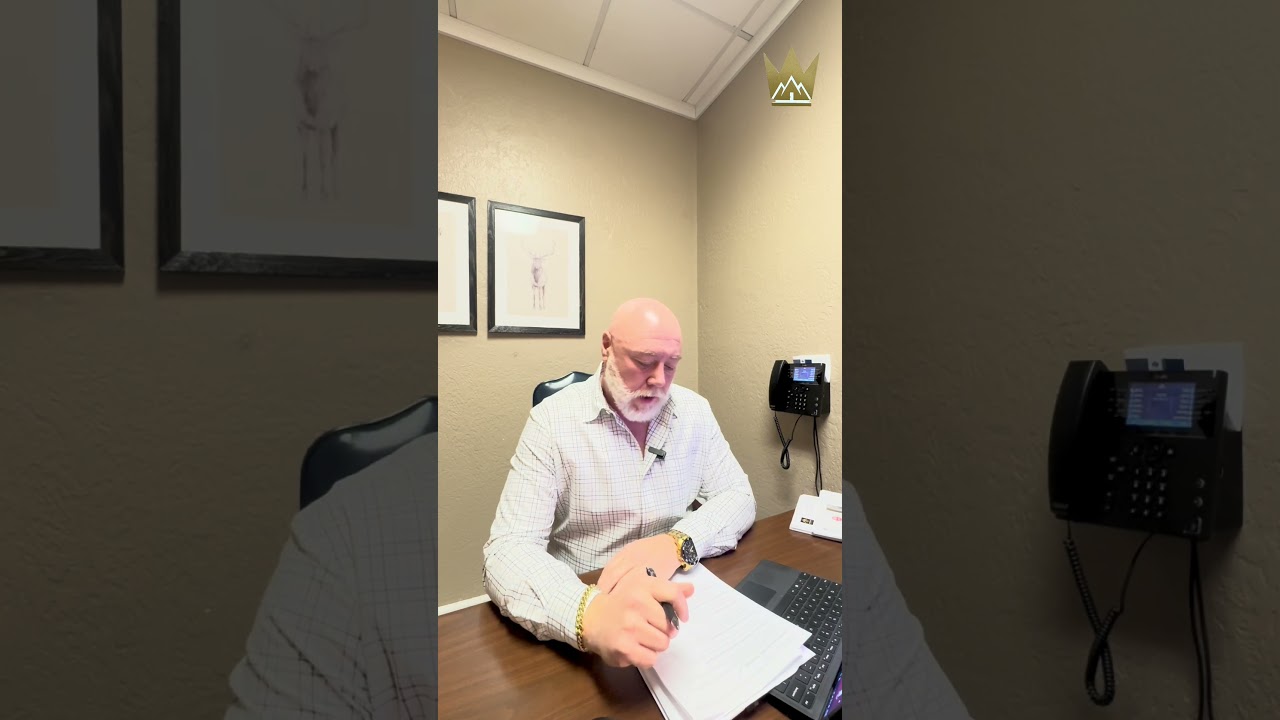
How to Buy Land with a Low or Bad Credit Score
Land loans work differently from home loans — bigger down payments, different terms, and a plan that has to be built before the offer.
Read More »These are the questions buyers and sellers in the High Country ask me most, answered the way I'd answer them across the table — plus the longer versions I publish as articles and videos, with the numbers sourced.

John Blevins — Broker-in-Charge, Regency Properties
GRI 2023 · SRS 2024 · ABR 2024 · C2EX 2024 · Real Estate Investing 2025 · NC License #322850
Where Would You Like to Start?
Due diligence money, flood insurance, buyer-agent pay, and perc tests — the things that decide a High Country purchase.
Explore Buyer ResourcesWhat land is worth, whether concessions help, and how pricing really works here.
Explore Seller ResourcesRecently Published
VideoLand loans work differently from home loans — bigger down payments, different terms, and a plan that has to be built before the offer.
Read More » Video
How I price land, what buyers actually look for, and the mistakes that cost sellers money — in about three minutes.
Read More » Articles
Due diligence fees vs. earnest money, flood insurance in the mountains, sourced and seasoned funds — my articles live on Voce.
Read More »Questions, Answered Straight
They're two different payments, for two different things. The due diligence fee is paid straight to the seller as soon as your offer is accepted. It buys you the due diligence period — your time to inspect, appraise, survey, and investigate the property — and the right to walk away for any reason or no reason before that period ends. If you walk away, the seller keeps it. It's the price of the strongest walk-away right a buyer gets anywhere.
Earnest money is a deposit held in trust — usually by the closing attorney or the firm — and it's credited back to you at closing as part of your purchase. If you back out after your due diligence period ends and outside the contract's terms, earnest money is what's at risk. Short version: due diligence money compensates the seller for taking their property off the market. Earnest money is a deposit on your performance.
Don't let the elevation fool you. Most High Country flooding isn't about being near a coast — it's creeks rising after heavy rain, which this region got a hard lesson in during Hurricane Helene in 2024. If a property sits in a mapped flood zone and you have a mortgage, your lender will require flood insurance, period. If it isn't in a mapped zone, nobody requires it — but "not in a flood zone" is not the same as "can't flood," and regular homeowners insurance does not cover flood damage. For a mountain property near a creek or in a hollow, I'll tell you plainly: price the policy and weigh it seriously. It is cheaper than the alternative.
A buyer's agent works for you, not the seller: finding and previewing properties, pricing them honestly, writing and negotiating your offer, managing inspections and deadlines through due diligence, and getting you to a clean closing. Since the 2024 rule changes, buyer-agent compensation is no longer assumed — it's negotiated and put in writing in a buyer agency agreement before touring homes, and whether a seller offers to cover any of it is part of each offer's negotiation. What hasn't changed: you're entitled to know exactly how your agent gets paid, in what amount, before you sign anything. Ask me and I'll show you the numbers straight.
A perc test is a soil evaluation run through the county health department to find out whether a piece of land can support a septic system — and where on the property one can go. Outside of town limits in the High Country, there's no public sewer, so if the soil won't perc, you may not be able to build a home on the land at all, or only with an engineered system at a very different price. It's the first thing I tell land buyers to verify, and it belongs inside your due diligence period so you're not stuck if the answer is no. Read more in my land buying guide.
Five things, mostly. Access — recorded road frontage or a deeded right-of-way is worth real money; landlocked or handshake access is a discount and a risk. Buildability — soil that passes a perc test for septic, and ground flat enough to build on without moving a mountain of dirt. Utilities — power at the road and a good well site beat a quarter-mile line extension every time. Views and water — a long-range view or creek frontage adds value you can see in the sales. And location — distance to town, and which town. I price land off closed comparable sales, adjusted for those five things — not off what the seller hopes, and not off the asking price of the tract down the road that's been sitting for two years.
A seller concession is something you, the seller, agree to pay for on the buyer's side of the closing statement — most often help with the buyer's closing costs. Why would you? Because it can widen your buyer pool. Some buyers have the income and the down payment but are thin on cash to close; a concession can be the difference between their offer and no offer. Sometimes a concession nets you more than the same dollars as a price cut, and sometimes a clean price cut is the better play. It depends on your price point and who's likely to buy your place. It's a math question, and we'll run the math on your specific property before you decide.
General information only — not professional advice. I'm a real estate broker, not a soil scientist, engineer, surveyor, attorney, home inspector, or contractor. Always check with the appropriate licensed or certified professional before making a decision based on anything I post.
Got a question that isn't here? That's most of my job. Ask me directly or call (336) 977-6569.